Dream It Together: How a Family Bucket List Turns Everyday Life Into Something Worth Chasing

Somewhere between the school pickups, the Sunday dinners, and the endless scroll of everyone's separate lives, families are quietly discovering one of the simplest tools for staying connected: a list.
Not a chore list. Not a grocery run. A bucket list — one that belongs to the whole family.
It sounds almost too simple, doesn't it? But talk to any family that's started one, and they'll tell you the same thing: the list itself almost doesn't matter. What matters is what happens when you sit down together and start dreaming out loud.
Why the Planning Phase Is the Real Prize
We tend to think of experiences as things that happen to us — a vacation we finally take, a road trip we finally finish. But psychologists who study anticipation have long pointed out that humans get a genuine emotional boost just from expecting something good. The planning, the talking about it, the debating between options — all of it lights up the same reward centers in the brain that the actual event does.
For families, that's a huge deal. It means you don't have to wait until you're standing at the rim of the Grand Canyon to feel the benefit of having it on your list. Every time the topic comes up at dinner — every time someone says, "remember, we're doing the Grand Canyon trip" — you're already building something together.
That's the quiet power of a family bucket list. It gives you a shared story that's still being written.
Bringing Every Generation Into the Conversation
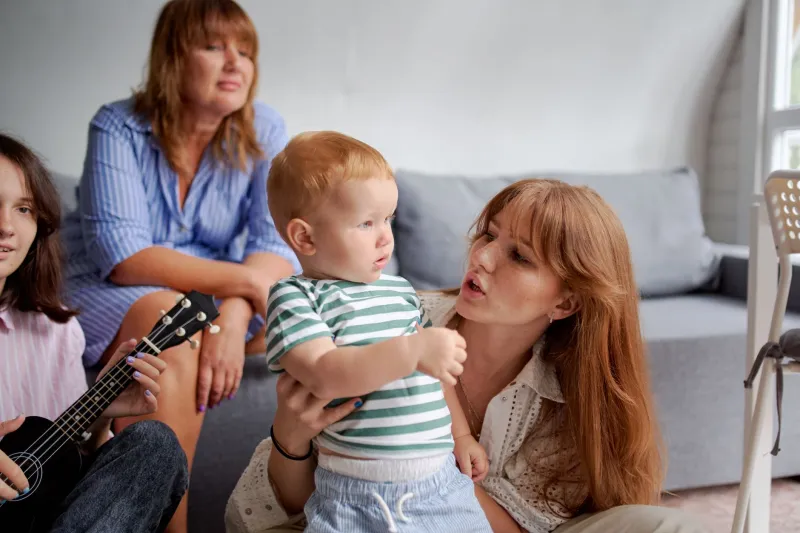
One of the most beautiful things about a multigenerational bucket list is how it naturally surfaces what matters to different people in the family. Kids might push for something wild — a camping trip where you sleep under the stars with no phone signal, or a cross-country drive to see every major-league baseball stadium. Grandparents might suggest something slower, more rooted — returning to a hometown they left decades ago, or watching the sun rise over a lake they used to fish as children.
And here's where something genuinely surprising happens: when you actually sit down and share those ideas, the generations start to see each other differently.
A grandmother who hears her teenage grandkid pitch a kayaking trip in Montana doesn't just hear an adventure idea — she hears who that kid is becoming. And that teenager, listening to Grandpa describe wanting to visit the small town in Mississippi where he grew up, starts to understand that this person has a whole life full of places and moments they've never seen.
The bucket list becomes a doorway into each other's inner worlds.
Starting Small (And Why That's Perfectly Fine)
Not every family bucket list needs to include international travel or once-in-a-lifetime splurges. In fact, some of the most meaningful lists are filled with things that are almost laughably close to home.
A weekend drive to a state park two hours away. Making homemade pasta from scratch on a rainy Saturday. Watching the meteor shower from the backyard with a thermos of hot chocolate. Visiting the old neighborhood where Dad grew up. Going to a minor league baseball game in a town you've never stopped in before.
These aren't consolation prizes for not being able to afford Yellowstone. They're real experiences with real meaning, and they have one huge advantage over the big-ticket items: you can actually do them. Soon.
Families who mix small, doable adventures with bigger someday-dreams tend to keep their bucket lists alive longer. Checking off the weekend road trip to see fall foliage keeps the energy going while you're still saving up for the bigger Alaska cruise that's three years out.
How to Actually Build One (Without It Becoming a Chore)
The fastest way to kill a family bucket list is to make it feel like homework. Here's a low-pressure approach that actually works:
Start with a single question at dinner: "If we could do anything together as a family in the next year, what would it be?" No rules, no judgment, no budget talk yet. Just ideas.
Let everyone contribute something. That means the five-year-old's idea of "going to a place with penguins" gets written down right next to Grandma's idea of revisiting her college town. Every voice matters, and kids especially feel it when their suggestions are taken seriously.
Keep the list somewhere visible. A whiteboard on the fridge, a pinned note in the family group chat, a shared document — whatever your family actually uses. Out of sight really does mean out of mind.
Revisit it on purpose. Once a month, or whenever a holiday rolls around, pull the list back out. Talk about what moved up, what you've crossed off, what new ideas have shown up. Make it a living document, not a forgotten resolution.
Celebrate the small checkoffs. When you do knock something off the list — even a small one — mark it. Take a photo, write a note about it, make it feel like an accomplishment. Because it is.
The Unexpected Side Effect Nobody Talks About
Families who've been keeping bucket lists for a few years often mention something they didn't anticipate: the list starts to function as a kind of family identity.
"We're the family that does stuff together." "We're the family that's going to drive Route 66 someday." "We're the family that actually made it to every national park in our region."
That shared identity — that sense of being a unit with a direction — does something real for kids especially. It gives them a narrative about their family that isn't just about the house they live in or the school they go to. It's about the adventures they're part of. The things they're working toward.
And for grandparents, there's something deeply meaningful about being included in that forward motion. Not just as the people who show up at holidays, but as active participants in where this family is headed next.
One List, Endless Reasons to Come Back Together
At its core, a family bucket list is just a reason to keep choosing each other. It's a standing invitation to sit back down at the table — literally or figuratively — and ask, "what are we going to do next?"
The destination matters. The adventure matters. But what really changes everything is the moment you realize your family has a shared sense of someday — and that someday belongs to all of you, no matter what age you are or what generation you grew up in.
Start the list. Dream out loud. And don't underestimate how much it means just to be the family that's always got something to look forward to.