Build It From Scratch: How to Design Family Traditions That Actually Fit Who You Are
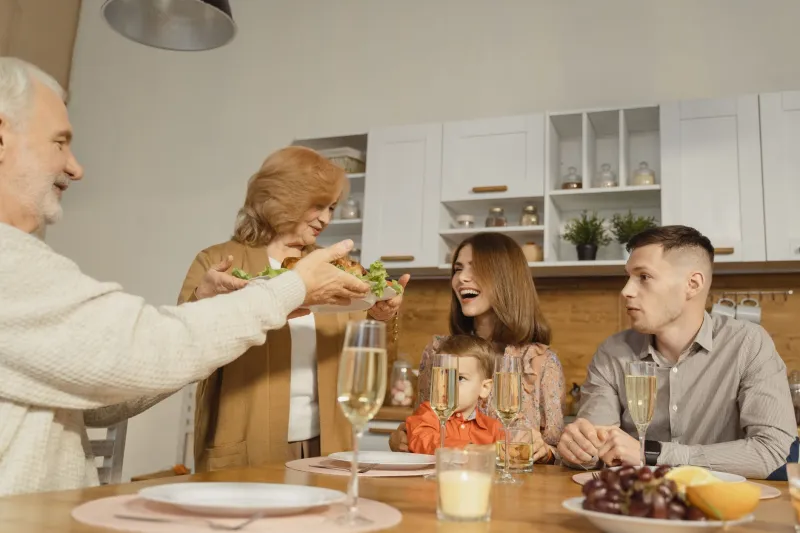
Some families seem to come pre-loaded with traditions. Sunday sauce on the stove, the same campsite every August, a holiday cookie recipe written in someone's grandmother's handwriting. But plenty of families—blended ones, newly relocated ones, multigenerational households figuring out how to merge different cultures and rhythms—don't have that kind of inherited blueprint. And that's not a loss. It's actually an opportunity.
Creating your own traditions from scratch means you get to build something that genuinely reflects who your family is right now, not who someone else's family was fifty years ago. The trick is knowing where to start.
Why Rituals Matter More Than You Think
Before diving into the how, it helps to understand the why. Research in family psychology consistently shows that shared rituals—even small, seemingly silly ones—give family members a sense of belonging and predictability. For kids especially, routines signal safety. For adults, they create anchors in an otherwise hectic week. For grandparents living under the same roof or showing up every other weekend, they become the connective tissue between generations.
The word "tradition" can sound heavy, like it needs to involve matching pajamas or a twelve-layer cake. But a tradition is really just any repeated practice that carries meaning. It could be as simple as the same dumb joke your dad tells every time someone sneezes, or as involved as a full family Olympics in the backyard every Fourth of July. What makes it a tradition isn't the scale—it's the repetition and the feeling it creates.
Start With a Honest Family Inventory
The first step in building your own tradition starter kit is taking stock of what already exists, even informally. Sit down—ideally with everyone who's part of the household, across all ages—and ask a few simple questions:
- What's something we already do together that feels good, even if we've never called it a tradition?
- Is there something we used to do that we've let slip?
- What's a moment from the past year that everyone remembers fondly?
You might be surprised. Maybe Friday pizza nights have quietly become non-negotiable. Maybe the chaos of everyone crowding into the kitchen on Thanksgiving morning has its own weird magic. These informal rituals are your raw material.
For blended families or households that include grandparents or extended family, this inventory step is especially important—and worth doing with everyone in the room, not just the adults. Kids and teenagers often have strong feelings about what feels meaningful versus what feels forced, and getting their input early saves a lot of resistance later.
The Three-Layer Framework for Building New Traditions
Once you know what you're working with, you can start designing intentionally. Think of it in three layers:
Layer 1: The Anchor This is your most consistent, low-effort ritual. Something that happens weekly or even daily. Morning pancakes on Saturdays. A ten-minute walk after dinner on Sundays. A family group chat where someone posts a funny photo every day. Anchors don't need to be elaborate—they just need to be reliable. The more frictionless, the better.
Layer 2: The Seasonal Marker These are the traditions tied to specific times of year that give each season its own flavor. Maybe it's a back-to-school dinner where everyone shares one hope and one fear for the year ahead. Or a summer solstice bonfire. Or a spring cleaning day where you donate old stuff together and then celebrate with takeout from a new restaurant. Seasonal markers create a sense of rhythm and give everyone something to look forward to.
Layer 3: The Big Moment This is the annual or milestone tradition—the one that takes more planning but becomes the story you tell for years. A yearly camping trip. A family talent show at Thanksgiving. A birthday tradition where the birthday person gets to pick one activity, one meal, and one movie, no questions asked. Big Moment traditions are worth investing in because they become the memories that define your family's identity.
Real Families, Unconventional Traditions
Some of the most meaningful family traditions look nothing like what you'd find on a Pinterest board. Here are a few examples of what families have actually built:
One family in Austin started a "Failure Dinner" every New Year's Eve—instead of talking about resolutions, everyone shares something that didn't go well that year and what they learned from it. What started as a joke became one of their most anticipated nights.
A multigenerational household in Chicago has a Sunday morning "newspaper hour" where Grandpa reads actual physical sections of the paper aloud and the grandkids fact-check him on their phones. It started as a mild argument. Now it's a weekly event.
A blended family in Atlanta created a "First Saturday" tradition where, on the first Saturday of every month, one family member gets to be the "activity director" and everyone else participates without complaint. The rule is simple: no screens, no vetoes.
None of these traditions came from a book or a blog. They grew out of real moments, real personalities, and real family dynamics. That's exactly what makes them stick.
Making New Traditions Stick
Here's the honest part: not everything you try will land. Some ideas will feel forced, fall flat, or just not match who your family actually is. That's normal. The goal isn't to manufacture magic—it's to create the conditions where magic can happen.
A few things that help:
Keep the barrier low at first. A tradition that requires hours of prep is harder to sustain than one that doesn't. Start simple, and let it grow naturally.
Name it. Giving a ritual a name—even a goofy one—makes it feel official. "Waffle Sunday" carries more weight than "sometimes we make waffles."
Protect it. Once something starts to feel like a tradition, treat it that way. Don't let it get cancelled for minor reasons. The consistency is the whole point.
Let it evolve. A tradition that looked one way when your kids were seven will look different when they're seventeen. That's fine. The best traditions grow with the family.
Your Family Is the Template
There's no universal tradition starter kit, because there's no universal family. What works for a household of four in the suburbs won't necessarily work for a multigenerational home in a city apartment, or a blended family navigating two sets of kids and two different holiday schedules.
But that's actually the whole point. The families who build the most meaningful traditions aren't the ones who followed someone else's playbook—they're the ones who paid attention to what their specific people actually needed and enjoyed, and then made that into something repeatable.
You don't need a long history to have a rich tradition. You just need to start somewhere, show up consistently, and let the meaning build over time. That's the only handbook that matters.